


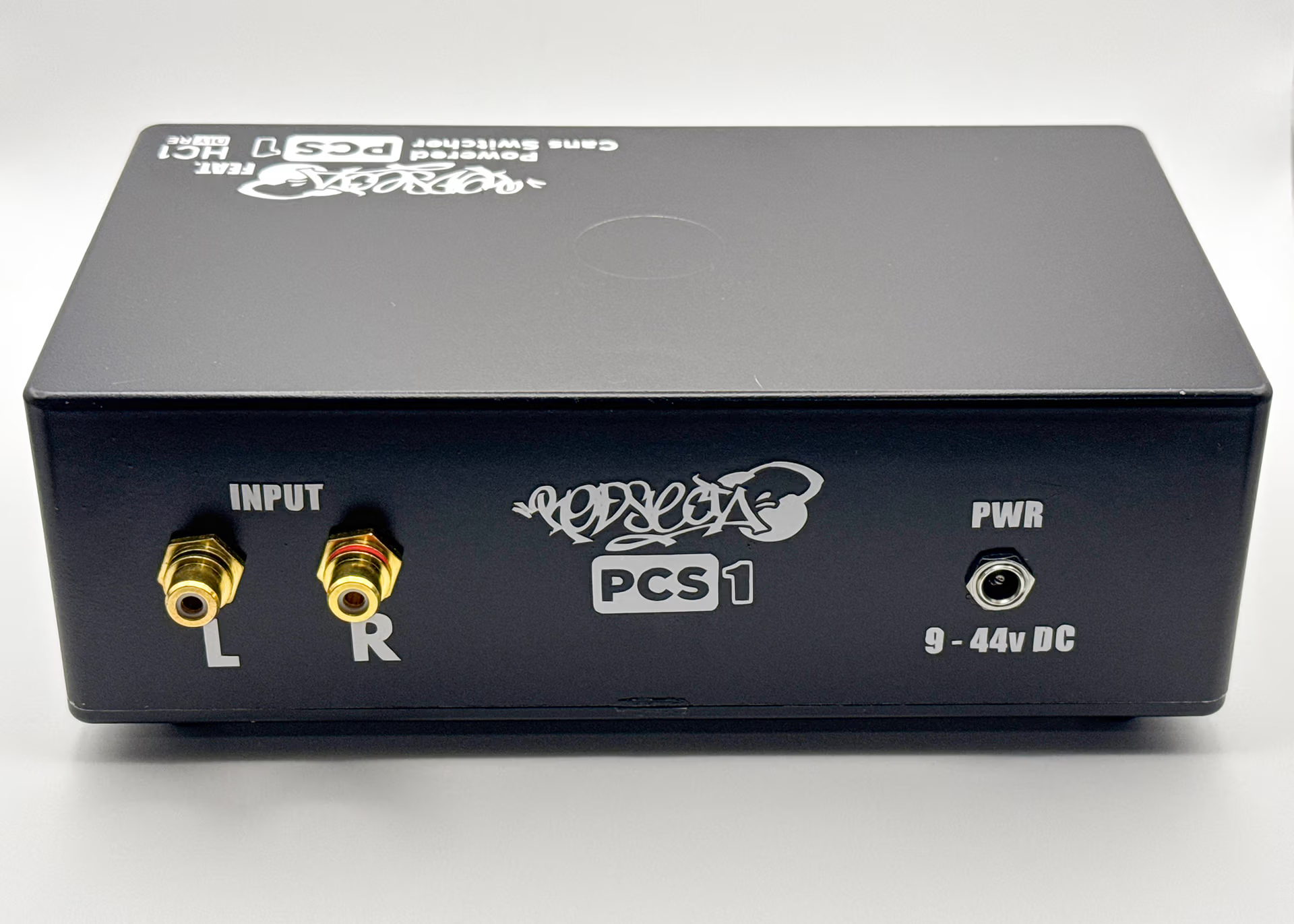


Description
Just like you would expect when switching between multiple sets of speakers in a high-end studio, your headphone switcher should be quiet, accurate and non distracting. No “thump” when powering it on or off, and no annoying clicks or pops when switching between headphones – even while audio is playing. The Powered Cans Switcher (version 1) is based on a passive headphone switcher that I built back in 2009 that uses a high quality switch, solid core wiring and mechanically stable TRS jacks that is still working like the day I built it, except the PCS-1 is powered by a high quality headphone amp.
This build features the DIYRE HC1 headphone amplifier kit, which is rooted in a parallel operational amplifier theory that was popularized by renowned audio gear designer Douglas Self back in 2010 when he published an open source amplifier design running dozens of NE5532P opamps in parallel that resulted in a high current, low noise and accurate audio amplifier.
This streamlined version, with one NE5532P per channel is ideal for driving most headphones typically used for audio work. It sounds clean and detailed with all the headphones in my collection ranging from ~20 – 300 ohms. There are a few cheap headphone amplifier kits available online that are based on this design, but like with everything else, you get what you pay for. DIYRE is a company whose kits I’ve been buying for a few years now. They make high quality PCBs and include good quality, reliable components.
I have upgraded the volume potentiometer with an Alps RK27 “Blue Velvet” for an improved left/right channel balance. This amp will give you an improvement when “re-amping” sources like the line output of laptops, but it will perform best when being fed with an unbuffered line level signal from your main system.
This build is made using premium lead-based solder, and I must make you aware of the following California Prop 65 warning notice:
WARNING: This product can expose you to chemicals including lead, which is known to the State of California to cause cancer. For more information, go to http://www.P65Warnings.ca.gov


Reviews
There are no reviews yet.